What Outlane Businesses Know About Storage
Find Out More →Walk into any local farming operation or small business around Outlane, and you'll notice something: they don't treat storage as an afterthought. They plan it. They organize it. They actually use it properly. Most homeowners? They rent a unit, throw things in, and hope for the best. The difference isn't complicated—it's just a different mindset. And there's genuinely useful stuff worth borrowing.
Why local businesses approach storage differently
Here's the thing: when a business is paying for storage out of operational budget, every month matters. There's no "I'll sort it out eventually" option. The local agricultural enterprises and small manufacturers around the valley have learned that storage works best when it's treated like part of the system, not a backup plan.
They know exactly what goes in, why it's there, and when it's coming out. They label things. They use vertical space. They rotate stock. Most importantly, they don't rent more than they need—because waste is waste, whether it's space or money.
Homeowners often do the opposite. You grab a unit that "seems about right," fill it over time, and end up paying for space you're not really using or can't easily access.
How do businesses actually organize their storage?
The real difference is in the detail. Businesses keep an inventory. It sounds obvious, but almost no homeowners do this. You don't remember what's in that box at the back, or how many boxes of winter clothes you're paying to keep cool.
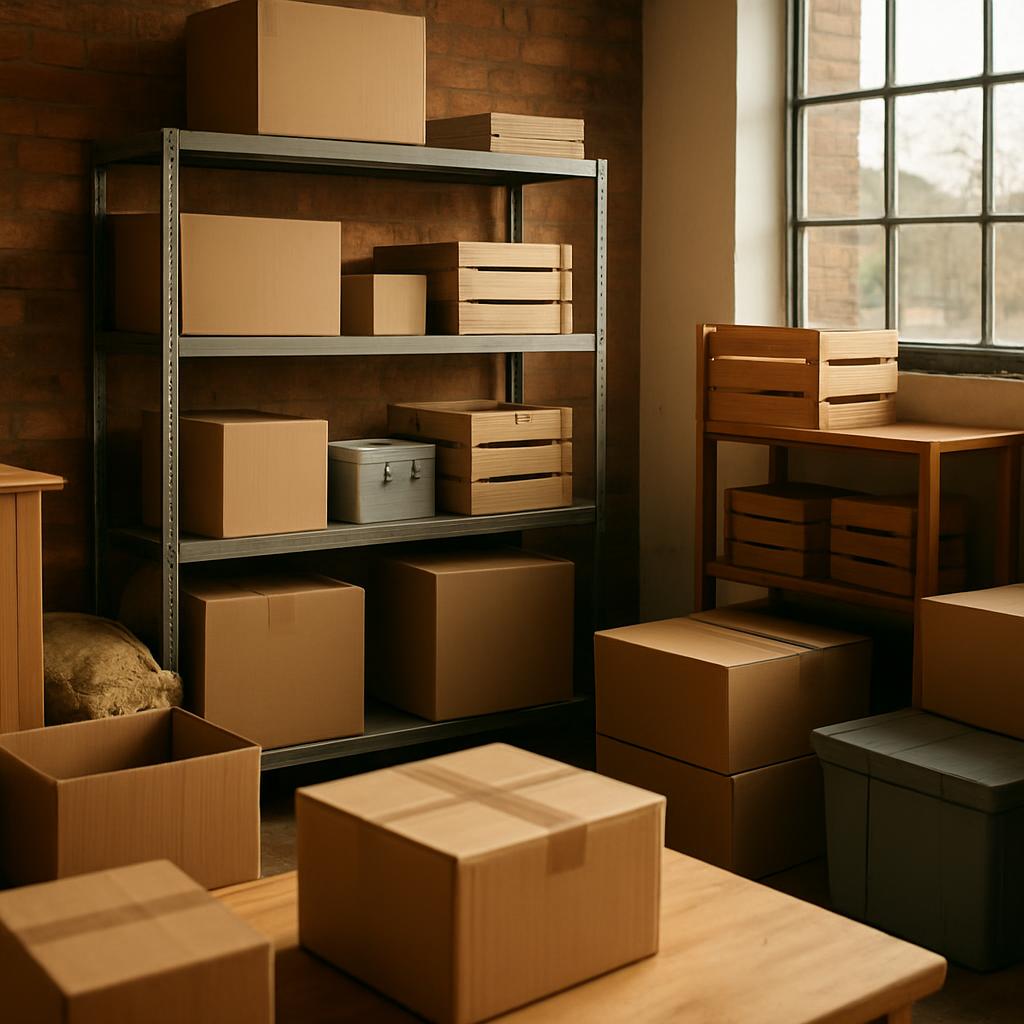
They also use the space vertically. Shelving, stacking systems, pallets—anything that lets them use height instead of floor space. A business storing seasonal stock or archived records isn't wasting cubic metres on haphazard piling.
Third: they have a reason for everything being there. Not sentimental reasons. Practical ones. Your great-aunt's china set doesn't have a business case, so it sits. Your camping gear sits unused. Your business inventory sits because you need it.
As we covered in our guide on choosing the right unit, the size and type of storage you pick matters hugely. But what matters more is having a plan for what goes in it.
What can homeowners actually use from this?
Three things, really.
First: be honest about what you're storing and why. Is it for a genuine purpose—renovation materials, a house move, seasonal items you use annually? Or are you just paying to avoid making a decision? That's the first question businesses ask. It's worth asking yourself too. If it's taking up money and space but you don't have a real reason for keeping it, storing it solves nothing.
Second: measure and plan before you book anything. Don't guess. Businesses know their inventory weight and volume. You probably know roughly what you're storing, but most people underestimate how much space they'll actually need—or overestimate and rent far too much. There's a practical guide to checking specs and sizes here that walks through it properly.
Third: organize it as you pack it, not "later." Businesses can't afford to have an inaccessible unit. But homeowners often pack storage like they're never going to look at it again. Label your boxes. Stack them logically. Keep frequently accessed items near the door. You're paying for the space whether you use it efficiently or not, so you might as well make it work.
Why Outlane residents should think about this now
Outlane sits in the valley, which means we get our share of wet weather and flooding risk from the River Colden and local watercourses. That's not scaremongering—it's just reality. Important documents, sentimental items, equipment that matters to you: if they're sitting in your garage or basement, and the weather turns bad, you're at risk. More local residents are thinking about this, and it makes sense.
Storage shouldn't be somewhere damp and vulnerable. It should be dry, secure, and organized. The way local businesses see it—practical, purposeful, efficient—that's exactly how you should approach it too.
You don't need to run your personal storage like a warehouse operation. But you do need to think about it the way a business would: What's the actual purpose? How much space do I really need? How will I organize it so it's useful? Can I access what matters when I need it?
Those questions will save you money and headache.
If you're ready to move past the guesswork, Self Storage Outlane can help you find the right unit for what you're actually storing. Book a time to discuss what you need—not what you think you might need. That's how the locals do it.
Looking for Self Storage near Outlane?
We have secure, flexible units available in the area. Get in touch with Self Storage Outlane today.
Find Out More →